As Black Friday approaches, the holiday shopping season sets the stage for a unique blend of opportunities and challenges. The once single-day event has now expanded, becoming the focal point of the retail season, with extended hours and a dramatic surge in both in-store and online traffic. While these shifts provide an unprecedented opportunity for growth, they also introduce considerable pressure on retailers. High foot traffic, a spike in transactions, and rising customer expectations stretch both systems and staff to their limits.
For consumers, the stakes are equally high. The excitement of finding the best deals is often tempered by frustrations: long checkout lines, overwhelmed staff, and the stress of navigating through endless time-sensitive offers. These hurdles transform what should be an exhilarating experience into a stressful ordeal.
In this increasingly complex environment, technology is no longer just a convenience. It has become an indispensable ally for retailers, enabling them to rise above the chaos and deliver a seamless experience. Advanced retail technology not only addresses these challenges but also transforms them into opportunities for success, ensuring both retailers and consumers can navigate the season with ease and enjoy a smoother, more rewarding shopping experience.
How Retail Technology Prepares Stores for the Holiday Rush
In recent years, retail technology has advanced with remarkable speed, ushering in a new era where seamless, efficient, and highly personalized shopping experiences have become the norm. Mobile shopping, the convergence of online and offline channels, and the integration of artificial intelligence and data analytics have fundamentally reshaped how retailers interact with consumers and manage their operations. As the holiday rush approaches, these technological advancements become even more crucial, enabling retailers to stay agile and resilient amid soaring traffic and heightened expectations.
Standing at the crossroads of this transformation, it is clear that traditional transaction-driven retail models are no longer sufficient. In today’s hyper-connected environment, retailers must adopt technology-driven operations to remain competitive. The modern retail landscape demands three essential capabilities: efficiency, security, and an elevated consumer experience. To meet these expectations, especially during the intense holiday shopping season, innovations such as self-checkout kiosks, AI-powered loss prevention systems, and advanced device management solutions have become indispensable. These technologies optimize the operational backbone of the store and empower retailers to deliver faster, smoother, and more secure shopping experiences, ensuring every touchpoint is aligned and ready for peak-season performance.
Key Realities Retailers Face During the Peak Shopping Season
Long Checkout Lines
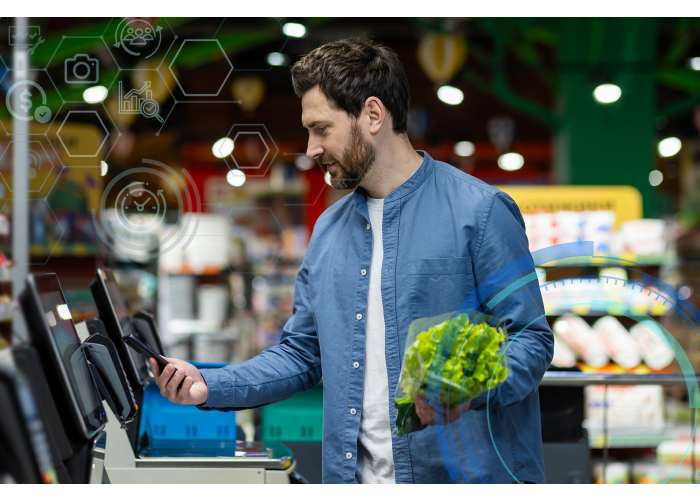
During the Black Friday frenzy, long lines are an unavoidable reality for many retailers. Yet, they do not have to diminish the overall shopping experience. Extended wait times at checkout often become one of the most significant pressure points, creating frustration for consumers and ultimately leading to lost sales and lower satisfaction. By adopting self-checkout kiosks equipped with SoftPOS technology, retailers can significantly shorten wait times. Consumers can complete small purchases quickly without standing in long queues, and contactless mobile payments further accelerate the checkout process, making it faster and more convenient.
Employee and Management Pressure
Staffing challenges intensify during the peak shopping season. Retailers often need to onboard additional employees quickly, but the combination of limited training time, long shifts, and heavy workloads can lead to operational inefficiencies. Errors become more common, bottlenecks form, and the overall shopping experience can suffer. Self-service solutions such as self-checkout kiosks and digital signage help alleviate these pressures by reducing reliance on manual labor and allowing employees to focus on tasks that create higher value. Device management (MDM) solutions further support the workforce by enabling retailers to remotely monitor and manage store devices, ensuring systems remain reliable and responsive without placing added strain on staff.
Inventory Management and Product Flow
Effective inventory management is crucial during Black Friday, when product turnover is rapid and consumer expectations are high. Stockouts can lead to missed sales, while overstocking strains storage and increases operational waste. Traditional inventory practices often struggle to meet the real-time demands of a fast-moving retail environment. Advanced retail technologies with real-time tracking capabilities allow retailers to make informed decisions about replenishment and product flow. With the support of device management solutions, retailers can continuously oversee the performance of essential tools such as POS terminals and stock-scanning devices, ensuring that inventory data remains accurate and operations run smoothly.
Equipment Management and Maintenance Challenges
Managing a wide variety of devices across multiple store locations becomes increasingly complex during high-traffic periods. Every piece of equipment plays a vital role in maintaining smooth operations, and even a single device malfunction can cause significant disruptions. Device management systems offer centralized oversight that allows retailers to diagnose, update, and troubleshoot equipment remotely and efficiently. Whether it is a POS terminal, digital signage player, or self-checkout kiosk, MDM solutions help keep devices in optimal condition, reducing downtime and ensuring that consumers enjoy an uninterrupted shopping experience, even during the busiest moments of the year.
How the Peak Shopping Season Impacts the Consumer Experience
Long Wait Times and Checkout Delays
During peak shopping periods, consumers often find themselves navigating long lines, slow-moving checkout procedures, and extended wait times that can quickly turn anticipation into frustration. In an environment where speed and convenience have become baseline expectations, any delay can diminish the overall experience and even lead to abandoned purchases. Self-checkout kiosks paired with contactless payment options offer a meaningful shift in this dynamic. These solutions streamline the process, enabling consumers to complete smaller transactions quickly and independently. By reducing friction at the final step of the journey, retailers can deliver a checkout experience that feels smoother, faster, and far more aligned with today’s expectations.
Where Product Discovery and the Shopping Experience Fall Short
With an overwhelming number of products and promotions competing for attention during the peak shopping season, consumers often struggle to quickly identify the items they want or locate the best deals. What should feel exciting can become tiring when information is scattered or difficult to navigate. The experience is further disrupted when technology falls short, whether through slow systems, unclear interfaces, or unreliable displays, causing shoppers to lose momentum and confidence in the process.
By incorporating digital signage, smart navigation tools, and real-time promotion displays, retailers can make information more accessible and intuitive. These solutions guide consumers toward the products and deals they are looking for, reducing confusion and restoring a sense of flow to the shopping journey. Just as important is the reliability of the underlying technology, which ensures that guidance remains accurate, timely, and uninterrupted. When both visibility and system performance are strong, the overall shopping experience becomes smoother and much more satisfying.
The Role of Retail Technology in Tackling Peak-Season Pressures
Customer Experience Improvements
Fast, reliable, and intuitive experiences have become essential expectations during the peak shopping season. Retail technology plays a vital role in meeting these demands by creating a smoother journey for consumers from the moment they enter the store to the point of checkout. Faster checkout processes, dependable equipment performance, clearer in-store communication, and consistent system responsiveness all contribute to a more seamless overall experience.
Operational Efficiency and Risk Reduction
Peak seasons amplify operational pressures, and technology provides the structure needed to keep performance steady. Self-service solutions, automated workflows, remote device management, and AI-powered loss-prevention tools embedded in self-checkout systems work together to strengthen operational resilience. These technologies reduce human error, streamline routine processes, and support staff in managing surging demand with greater efficiency.
Device Reliability and System Resilience
Reliable equipment is foundational to peak-season success. Device management solutions (MDM) help retailers maintain stable operations by offering real-time visibility into the health of all devices across the store. Through remote diagnostics, quick issue resolution, and continuous monitoring, retailers can prevent disruptions that might otherwise cascade into significant bottlenecks during high-traffic periods.
Loss Prevention and Security
• Building Customer Trust and Confidence: During the busiest shopping moments, long waits and complicated transactions can heighten consumer anxiety. AI-powered camera technology reinforces confidence by closely monitoring each step of the self-checkout process. By identifying unusual behavior and reducing concerns about scanning mistakes or misjudgments, this technology helps create a more transparent and dependable experience for consumers.
• Reducing Retailer Losses: AI-powered camera technology adds an essential layer of protection to the self-checkout environment. By detecting potential scanning errors in real time, it helps ensure that items are processed accurately and reduces losses that might occur from missed or incorrect scans. Its capability to flag unusual activity also enables earlier intervention, providing managers with timely insights into potential theft or suspicious behavior. With these capabilities in place, retailers can strengthen their loss-prevention efforts and maintain better control during the most demanding shopping periods.
Shared Value for Retailers and Consumers
By integrating advanced retail technologies throughout the retail environment, retailers gain more efficient operations, stronger loss prevention, and new opportunities for revenue growth. Consumers benefit from faster interactions, greater convenience, and a more satisfying shopping journey. The outcome is a peak-season experience where retailers operate with confidence and consumers enjoy a more seamless path to purchase.
A Strategic Framework for Peak-Season Readiness
Preparation Strategies
As Black Friday and the broader holiday shopping season draw near, preparation becomes the foundation for success. Retailers must ensure that their technology, equipment, and operational processes are fully optimized well before traffic begins to surge. This involves conducting comprehensive equipment checks, validating the performance of self-service systems, and stress-testing critical devices under peak load conditions. Workforce planning is equally important; aligning staffing levels with anticipated demand helps maintain continuity and minimizes service disruptions. Establishing clear, data-supported workflows further ensures that stores operate smoothly even when pressure intensifies.
Data-Driven Decision Making
Real-time visibility has become indispensable during peak seasons. Retailers should closely track transaction volumes, device utilization, queue times, and inventory fluctuations to maintain operational control. Access to detailed, timely data allows teams to identify emerging bottlenecks, whether it involves a sudden spike at self-checkout, a slowdown at POS, or rapid inventory depletion. With this level of insight, retailers can adjust staffing, accelerate replenishment, or update store communications as conditions change. A responsive, data-led approach stabilizes operations and preserves the quality of the consumer experience during unpredictable surges in demand.
Experience as the Central Focus
Modern consumers expect speed, clarity, and convenience at every step of their journey. Retailers therefore need to view the experience holistically rather than as a series of disconnected moments. Navigation, product discovery, self-scanning, payment, and checkout should all flow naturally, creating a sense of continuity that reduces friction. Clear digital communication, intuitive interfaces, and well-designed customer flows play an important role in sustaining momentum and preventing frustration. Retailers that successfully prioritize the full journey often see higher satisfaction levels, better conversion rates, and stronger consumer loyalty.
An Integrated Technology Ecosystem
Peak-season readiness depends on more than the performance of individual technologies. It requires an ecosystem in which hardware and software function as a cohesive whole. POS systems, self-checkout kiosks, digital signage, and touch panel PCs must operate in concert with software solutions such as AI-powered loss-prevention cameras, device management systems, and data analytics platforms. When all components work together seamlessly, retailers gain real-time oversight, greater device stability, and consistent experiences across the store. A unified technology environment strengthens operational resilience, reduces downtime, and allows retailers to maximize the value of their technology investments during the most demanding shopping periods.
Peak-Season Success for Retailers and Consumers
As the peak shopping season approaches, both retailers and consumers encounter distinct opportunities and challenges. Retailers must rise to the moment, meeting and surpassing heightened expectations for service, speed, and efficiency. Consumers, meanwhile, look for more than just discounts and seek a seamless, rewarding experience that elevates each step of their shopping journey. Technology plays a central role in enabling this success. The right solutions empower retailers to streamline operations, maintain smooth transactions, and deliver consistently high-quality service even under intense seasonal pressure. With thoughtful preparation and a well-integrated technology ecosystem, retailers can turn peak-season challenges into drivers of long-term growth and stronger customer loyalty.
Prepare for a successful season by adopting technologies that elevate your operations and enhance the consumer experience. With the right solutions in place, you can navigate the demands of the peak season with confidence and clarity. Connect us to learn how our retail technologies can help support seamless operations throughout this busy period.